Advisor | Infrastructure, Construction & Operational Delivery
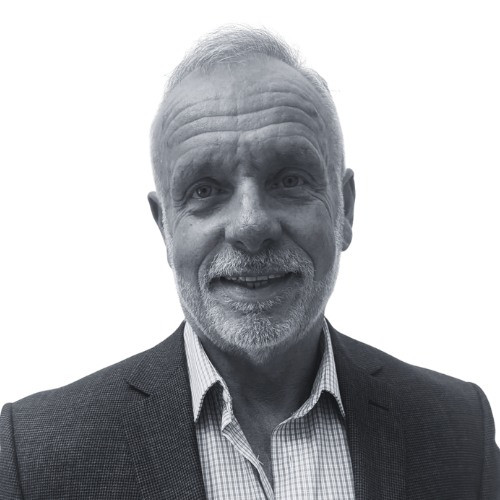
Nigel Dunn
Nigel Dunn’s work has been formed through sustained responsibility for building, dismantling, and delivering physical systems where error carries immediate consequence.
His career began in 1989 with the establishment of Steptoe and Son Demolition and Excavation, which he built from a single vehicle undertaking small-scale removals into a fully operational demolition and excavation business. Over time, the enterprise grew into a substantial operation with a skilled workforce and a fleet of trucks, excavators, and earthmoving equipment, undertaking increasingly complex works in demanding environments.
In 2004, the business evolved in both name and scope, expanding into civil works, road construction, and subdivision projects. This transition brought Nigel into sustained engagement with Tier 1 and Tier 2 builders, as well as government infrastructure, including sensitive works on military bases and airport facilities. These environments required disciplined systems, uncompromising safety standards, and the capacity to deliver under regulatory and operational scrutiny.
Nigel served as Director of CMS Contracting Pty Ltd from its establishment in 2004 until December 2021. Throughout this period, he carried responsibility for the company’s affairs while remaining closely involved in operational delivery. His role encompassed the oversight of project execution, workforce capability, procedural integrity, and the alignment of safety, quality, and environmental standards across all worksites.
Across more than three decades, Nigel’s focus has remained consistent: ensuring that work is done properly, by people who are qualified to do it, within systems that can withstand inspection and pressure. His experience is grounded in the realities of production targets, site conditions, risk exposure, and the consequences of failure.
Within the Aurelian Order, Nigel contributes as an advisor where physical infrastructure, construction risk, and delivery discipline are central. His perspective anchors deliberation in what is materially possible, structurally sound, and operationally defensible. He brings a steadying influence to decisions that must ultimately translate from intent into execution, and from design into lasting reality.